
A Complete Guide for Eyewear Brands and Designers
When developing a new eyewear collection, frame shape, material, and color often receive the most attention. However, one small component can have a major impact on comfort, durability, maintenance, and overall product quality: the hinge.
There are several types of eyeglass hinges used in modern eyewear, including traditional barrel hinges, spring hinges, screwless hinges, integrated hinges, memory metal hinges, and inverse R hinges. Each offers different advantages in terms of comfort, durability, aesthetics, and manufacturing complexity.
For eyewear brands and product developers, understanding these differences can help create products that better match customer expectations and market positioning.
Table of Contents
Why Hinges Matter in Eyewear Design?
The hinge is the component that connects the front frame to the temples, allowing the temples to open and close smoothly while maintaining structural stability.
Although small in size, hinge selection affects:
- Wearing comfort
- Product durability
- Long-term maintenance
- Frame stability
- Production cost
- Product positioning
A well-designed hinge should provide smooth movement, resist loosening over time, and maintain reliable performance after thousands of opening and closing cycles.
Comparison of Common Eyeglass Hinge Types
| Hinge Type | Durability | Comfort | Maintenance | Design Appeal | Cost |
| Barrel Hinge | Medium | Medium | Easy | Standard | Low |
| Spring Hinge | High | High | Medium | Standard | Medium |
| Screwless Hinge | High | High | Complex | Premium | High |
| Integrated Hinge | High | High | Complex | Premium | High |
| Memory Metal Hinge | Very High | Very High | Medium | Modern | High |
| Inverse R Hinge | High | High | Medium | Modern | Medium-High |
1. Traditional Barrel Hinge
The barrel hinge is the most common hinge structure in eyewear manufacturing.
It consists of interlocking metal barrels connected by a screw, creating a simple and reliable mechanism that has been used for decades.
Advantage:
- Cost-effective
- Easy to manufacture
- Simple maintenance and repair
- Suitable for both metal and acetate frames
Limitations:
- Screws may loosen over time
- Lower resistance to heavy impact
- Requires periodic maintenance
Best For:
- Entry-level eyewear
- Commercial optical collections
- Classic acetate frames
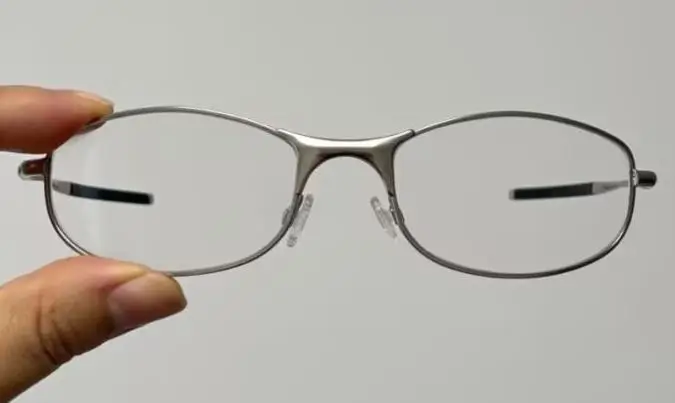
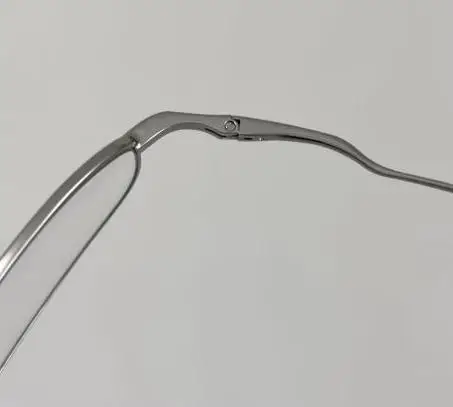
2. Spring Hinge
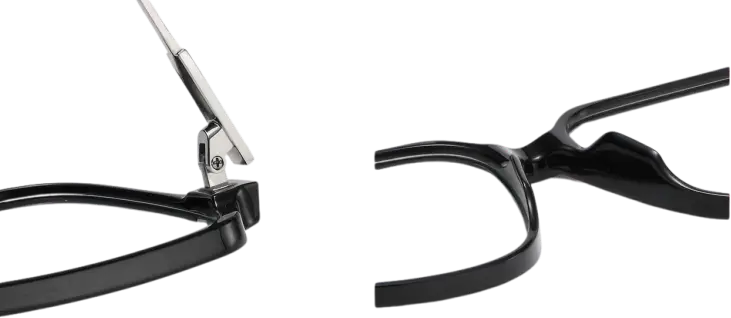
Spring hinges incorporate an internal spring mechanism that allows the temples to extend outward beyond the normal opening angle.
This additional flexibility improves comfort and helps accommodate different face shapes.
Advantages:
- Improved wearing comfort
- Better adaptability to wider face shapes
- Reduced pressure on the temples
- Enhanced stability during wear
Manufacturing Considerations:
From a manufacturing perspective, spring hinges require significantly tighter machining tolerances than standard barrel hinges. Even small variations in spring tension can affect comfort and durability.
Best For:
- Prescription eyewear
- Everyday optical collections
- Comfort-focused designs
3. Screwless Hinge
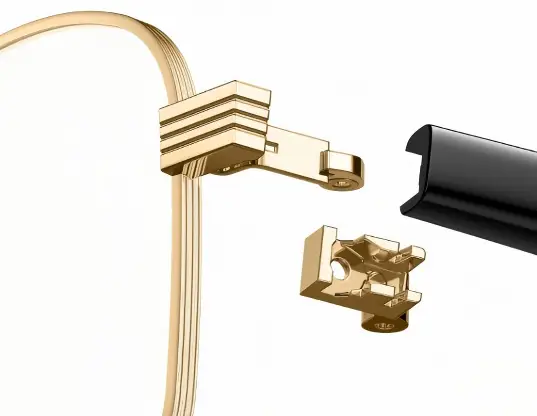
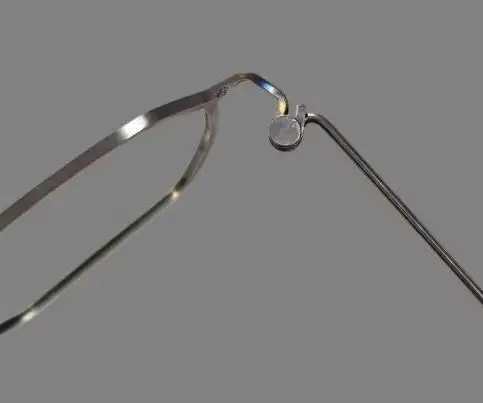
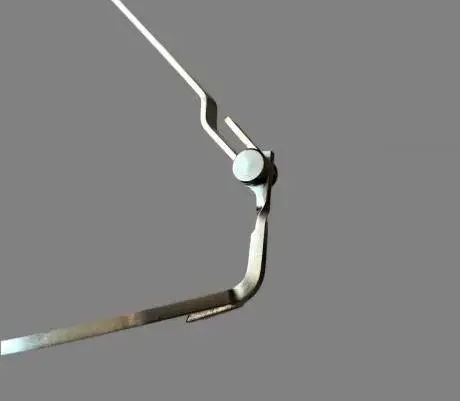
Screwless hinges eliminate traditional screws and instead use snap-fit or locking mechanisms.
They have become increasingly popular in premium eyewear because of their cleaner appearance and reduced maintenance requirements.
Advantages:
- Sleek, modern aesthetics
- No loose screws
- Reduced maintenance concerns
- Strong design appeal
Challenges:
- Higher tooling costs
- More complex manufacturing
- Repairs can be more difficult
Best For:
- Premium eyewear brands
- Designer collections
- Minimalist frame designs
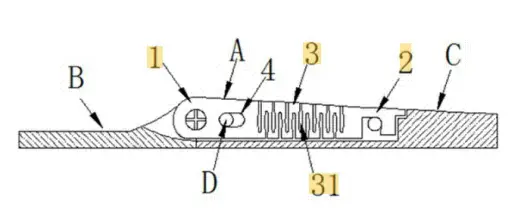
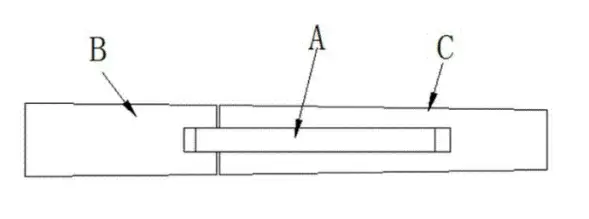
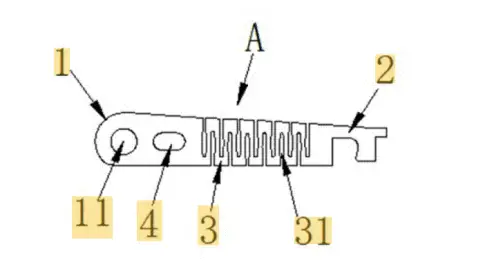
4. Integrated Hinge
Integrated hinges are built directly into the frame or temple structure, reducing the number of separate components.
This creates a cleaner appearance and often improves overall structural stability.
Advantages:
- Seamless appearance
- Premium visual appeal
- Reduced assembly errors
- Improved structural consistency
Best For:
- High-end acetate eyewear
- Designer collections
- Premium injection frames
5. Memory Metal Hinge
Memory metal hinges are typically produced using materials such as beta titanium or nickel-titanium alloys.
These materials can return to their original shape after bending, making them highly resistant to deformation.
Advantages:
- Excellent flexibility
- Long service life
- Strong resistance to repeated stress
- Improved durability
Manufacturing Considerations
Heat treatment plays a critical role in determining the performance of memory metal hinges. Precise temperature control is necessary to ensure consistent recovery characteristics.
Best For:
- Sports eyewear
- Children’s glasses
- High-frequency daily wear
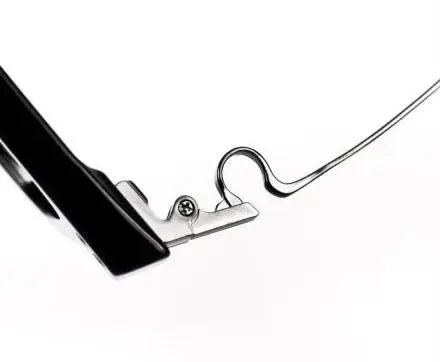
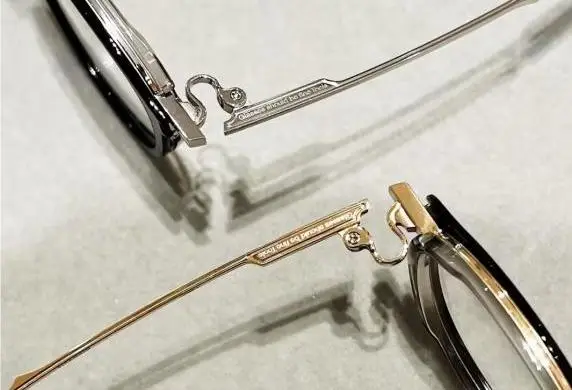
6. Inverse R Hinge
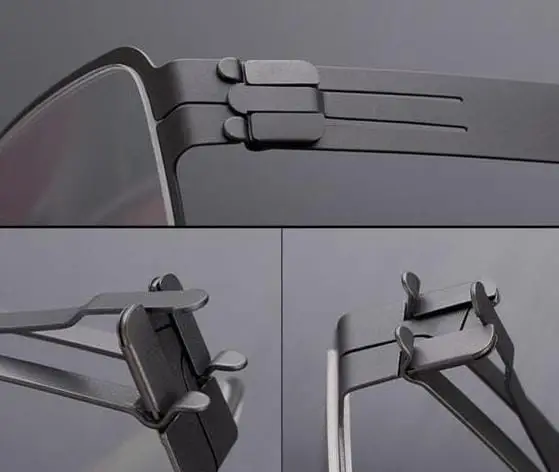
The Inverse R Hinge uses a reverse-curved R-shaped structure to improve stress distribution during opening and closing.
Compared with traditional hinge systems, this design helps reduce localized stress concentration, which can improve durability and long-term stability.
Advantages:
- More balanced stress distribution
- Improved resistance to deformation
- Stable opening and closing performance
- Better wearing comfort
- Compatible with various frame styles
Manufacturing Considerations
The angle and curvature of the hinge must be precisely controlled during production. Small deviations can affect movement smoothness and product lifespan.
Best For:
- Lightweight metal frames
- Business eyewear
- Mid-to-high-end optical collections
How to Choose the Right Hinge for Your Eyewear Collection?
There is no single “best” hinge.
The right choice depends on product positioning, target users, and design goals.
For Cost-Effective Collections
Traditional barrel hinges remain the most practical option.
For Comfort-Focused Optical Frames
Spring hinges are often preferred because they provide greater flexibility and wearing comfort.
For Premium and Designer Collections
Screwless and integrated hinges offer cleaner aesthetics and stronger product differentiation.
For Sports or High-Durability Products
Memory metal hinges provide excellent flexibility and long-term performance.
For Modern Lightweight Metal Frames
Inverse R hinges can offer a strong balance between comfort, durability, and appearance.
How to Choose the Right Hinge for Your Eyewear Collection?
As eyewear design continues to evolve, hinge technology is moving toward:
- Lighter titanium-based structures
- Hidden hinge systems
- Smart adaptive mechanisms
- Modular repair-friendly designs
- Integrated premium constructions
The goal is no longer simply to connect the temples to the frame, but to improve comfort, durability, and user experience while maintaining clean aesthetics.
Final Thoughts: Hinge Selection Shapes Product Performance
Although hinges are among the smallest components in eyewear, they play a major role in determining product quality, comfort, durability, and long-term customer satisfaction.
For eyewear brands, hinge selection should be considered as early as frame material and shape during product development.
At Looksee, we work with a wide range of hinge systems and frame constructions to help brands choose solutions that align with their product positioning, design direction, and manufacturing goals.