
Pure Titanium vs Beta Titanium Eyewear:
What’s the Difference?
What’s the Difference?
As modern eyewear continues to move toward lightweight comfort and minimalist design, titanium has become one of the most widely used materials in premium optical collections.
However, during product development, many brands face the same question:
Should we choose pure titanium or beta titanium?
Although both belong to the titanium category, they offer very different wearing experiences, structural characteristics, and design possibilities. Choosing the right material is not only about performance, but also about product positioning, target market, and overall collection direction.
At Looksee, we work with different titanium structures and materials to help brands develop eyewear collections that balance design, comfort, and long-term reliability.
Understanding Pure Titanium and Beta Titanium
What Is Pure Titanium?
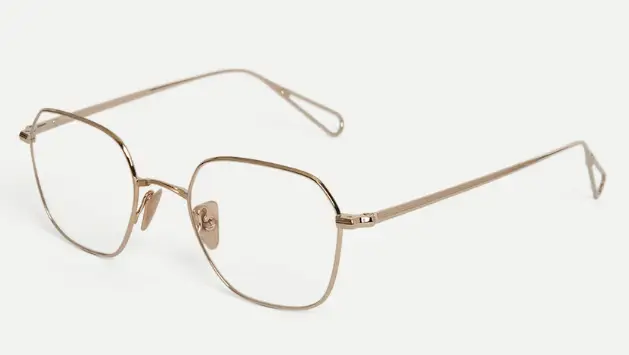
Pure titanium is a high-purity titanium material known for its lightweight feel, corrosion resistance, and skin-friendly properties.
It is widely used in classic optical frames because it offers stable performance while maintaining a clean and refined appearance.
Pure titanium is often chosen for collections that focus on:
- Lightweight comfort
- Minimalist design
- Daily wear durability
- Controlled production costs
Its balanced performance makes it one of the most practical materials in premium eyewear manufacturing.
What Is Beta Titanium?
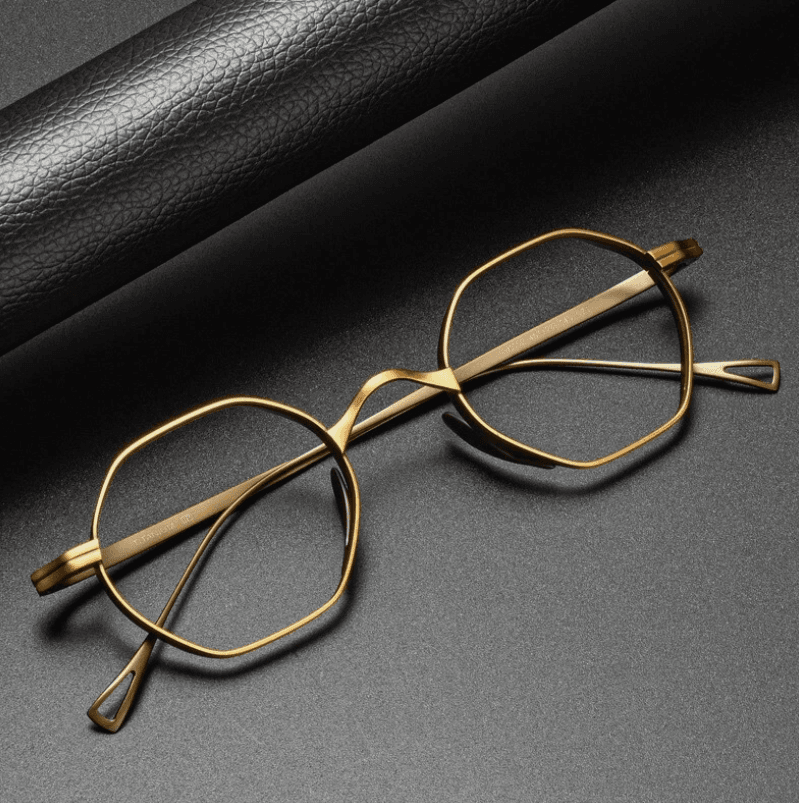
Beta titanium is a titanium alloy developed to provide greater flexibility and elastic recovery compared with pure titanium.
Because of its stronger flexibility, beta titanium is especially suitable for lightweight structures and modern frame designs that require thinner temples or more adaptive wearing comfort.
Beta titanium is commonly used in collections that focus on:
- Ultra-lightweight structures
- Flexible wearing comfort
- Thin and modern frame designs
- Premium fashion positioning
For many brands, beta titanium provides more freedom in both design and product development.
Pure Titanium vs Beta Titanium: What’s the Difference?
1. Wearing Comfort and Flexibility
Both pure titanium and beta titanium are lightweight materials suitable for long-term daily wear.
The main difference is flexibility.
Pure titanium offers stable support and a firm frame structure, while beta titanium provides greater elasticity and adaptability during wear.
Because beta titanium can better adjust to different face shapes and recover more easily after bending, it is often preferred for lightweight collections focused on comfort and flexibility.
2. Strength and Structural Performance
Pure titanium performs well in standard frame structures and classic eyewear designs.
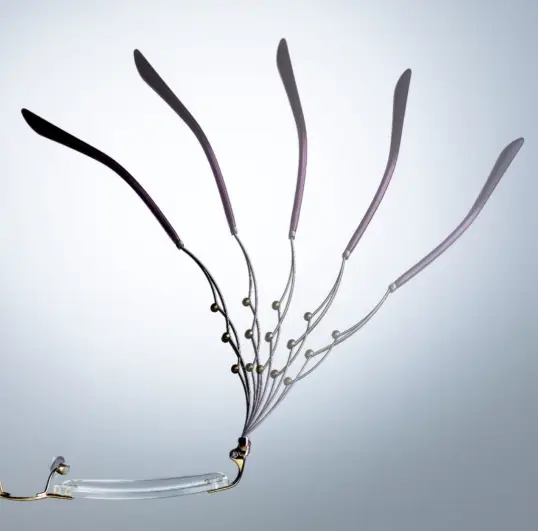
However, for ultra-thin constructions or highly flexible temples, beta titanium usually offers better structural performance because of its stronger resistance to deformation and repeated stress.
This is one reason beta titanium is frequently used in modern minimalist eyewear with thinner profiles and lighter overall weight.
3. Design Freedom
Material properties directly affect design possibilities.
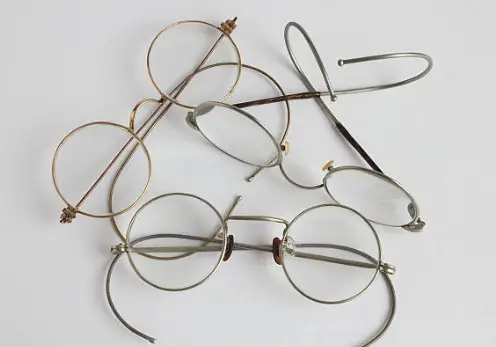
Pure titanium is more suitable for structured and classic frame styles, especially designs that require stability and a clean metal appearance.
Beta titanium allows designers to create thinner, lighter, and more flexible frame structures that are difficult to achieve with ordinary metals.
For brands developing fashion-forward or ultra-lightweight collections, beta titanium often provides more freedom in terms of proportions, temple design, and overall frame silhouette.
What These Differences Mean for Product Development ?
Choosing between pure titanium and beta titanium is not simply a material decision.
It also affects:
- Product positioning
- Wearing experience
- Design direction
- Target pricing
- Long-term durability
In many successful eyewear collections, different titanium materials are used across different product categories to create a more complete lineup.
For example:
- Pure titanium may be used for classic business-oriented optical frames
- Beta titanium may be used for lightweight fashion collections or flexible comfort-focused designs
The right material often depends on how the collection is intended to perform in the market.
Full Titanium vs Semi Titanium:
Understanding the Structural Difference
Beyond material selection, frame construction is another important part of titanium eyewear development.
Many brands also need to decide between full titanium and semi titanium structures.
What Is Full Titanium?
A full titanium frame uses titanium throughout the main frame structure, including the front and temples.
This type of construction is commonly used in:
- Minimalist eyewear
- Ultra-lightweight collections
- Rimless or thin-frame designs
- Premium titanium-focused product lines
Full titanium frames are often chosen when material purity itself is part of the product positioning.
What Is Semi Titanium?
Semi titanium frames combine titanium with other metal materials.
In many cases, titanium is used for the temples to improve comfort and flexibility, while other metals are used on the front frame to achieve better structural balance or more complex design details.
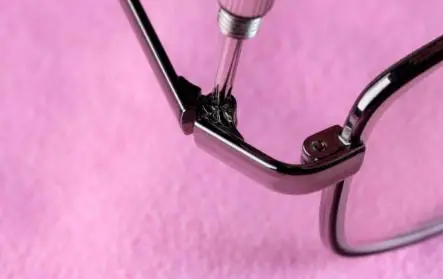
Because titanium cannot be directly welded to some metals, these structures are usually assembled through screw connections and precision engineering methods.
Why Semi Titanium Can Be More Practical?
Although full titanium frames are highly lightweight, they are not always the best solution for every product.
For frames with thicker prescription lenses, extremely lightweight front structures may sometimes create balance issues during wear.
Semi titanium structures can help improve weight distribution and provide a more stable wearing experience, especially for daily-use optical collections.
This is why many commercial eyewear collections use semi titanium structures instead of full titanium designs.
Choosing the Right Titanium Solution
The right titanium solution depends on your product direction and target market.
In general:
Pure Titanium
Often suitable for:
- Classic optical collections
- Business-oriented styles
- Stable daily-wear products
- Controlled premium positioning
Beta Titanium
Often suitable for:
- Lightweight fashion collections
- Flexible comfort-focused products
- Thin and modern structures
- Higher-end minimalist designs
Full Titanium
Often used for:
- Ultra-lightweight collections
- Rimless designs
- Titanium-focused premium positioning
Semi Titanium
Often preferred for:
- Commercial daily-wear collections
- Better structural balance
- Wider lens compatibility
- Practical long-term use
Manufacturing Quality Still Matters
Even the best titanium material depends on proper manufacturing.
Titanium processing requires:
- Precision CNC machining
- Controlled welding techniques
- Stable surface finishing
- Strict quality control
Different manufacturing standards can significantly affect comfort, durability, and long-term product consistency.
At Looksee, our team works closely with brands to evaluate materials, frame structures, and production feasibility based on the actual goals of each collection.
Matching Materials with Product Positioning
Pure titanium, beta titanium, full titanium, and semi titanium each serve different purposes in eyewear development.
The best choice depends on the balance between design direction, comfort, durability, product positioning, and market expectations.
Rather than simply choosing the “most expensive” option, successful collections are usually built around the material and structure that best match the intended wearing experience.
If you are developing a titanium eyewear collection, our team can help evaluate which titanium solution best fits your product direction and manufacturing goals.