

As sustainability becomes increasingly important in the eyewear industry, brands and manufacturers are looking beyond traditional petroleum-based plastics and virgin metals. Bio-based, recycled, and renewable materials are becoming important options for developing eyewear with a lower environmental impact while maintaining the performance, appearance, and processing characteristics required for modern eyewear.
But there is no single “best” eco-friendly eyewear material. Different materials offer different advantages in terms of bio-based content, recycled content, weight, strength, transparency, processing, durability, cost, and end-use applications.
This guide explains the main types of environmentally friendly eyewear materials, compares their characteristics, and explains how to select the right material for different eyewear products.
What Are Eco-Friendly Eyewear Materials?
Eco-friendly eyewear materials generally include bio-based materials, recycled materials, and other renewable or resource-efficient materials used to reduce reliance on virgin petroleum-based resources or primary raw materials.
For eyewear manufacturing, sustainability is not only about the material itself. Product design, manufacturing processes, durability, recyclability, certifications, and end-of-life management can also affect the overall environmental impact of a frame.
The main categories covered in this guide are:
- Bio-based acetate and polymers
- Recycled copolyesters
- Recycled nylon
- Recycled PC and PET
- Ocean recycled materials
- Recycled nickel silver
- Natural bio-based composites
Bio-Based Eyewear Materials
Bio-based materials are produced partly or primarily from renewable biological resources. Depending on the material, they can offer a combination of renewable content, reduced carbon emissions, degradability, and distinctive material characteristics.
They are commonly considered for premium eyewear, children’s frames, lightweight designs, and products where material storytelling is important.
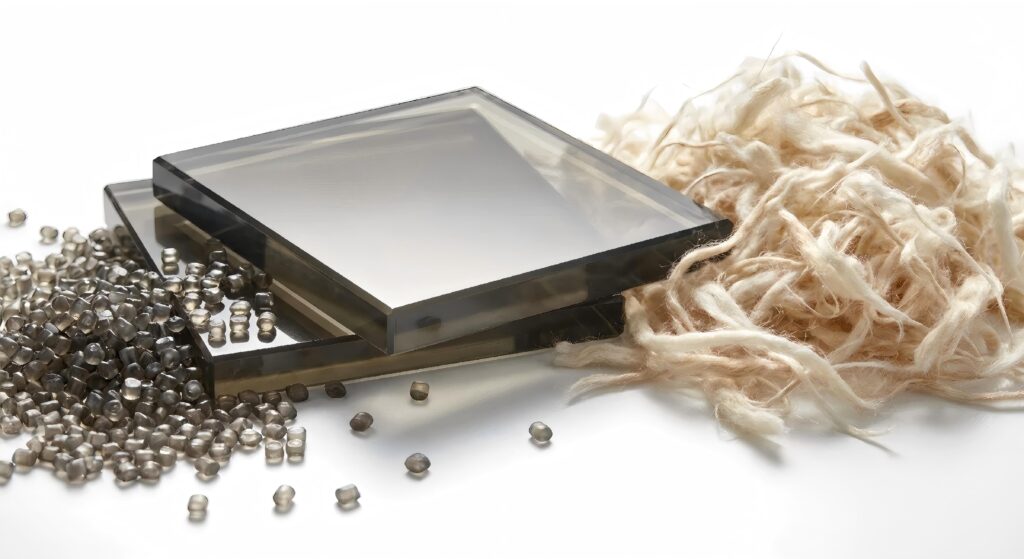
1. BioAcetate S70
BioAcetate S70 is a bio-based acetate material with 62% bio-based carbon content, according to ASTM-D6866 certification.
According to the source material, it has ISCC certification and is designed without harmful or allergenic substances. Under industrial composting conditions, the material is described as fully degradable within approximately 115 to 180 days.
Key characteristics include:
- 62% bio-based carbon content
- ASTM-D6866 certified
- ISCC certified
- Carbon emissions reduced by more than 42%
- High hardness
- Good polishing performance
- Stable dimensions
- Suitable for multiple processing techniques
Typical applications include high-end acetate frames, retro eyewear, and children’s frames where a hypoallergenic material is required.
2. G850 & G820
G850 and G820 are mid-to-high-end bio-based material with approximately 40% to 60% bio-based content.
It is phthalate-free and recyclable, with the source material reporting a carbon-emission reduction of more than 30%.
Its relatively high hardness, resistance to yellowing, and suitability for mass processing make it a practical option for brands looking for a balance between sustainability, appearance, processing efficiency, and cost.
Typical applications include:
- Business eyewear
- Premium optical frames
- Hand-finished frames
- Larger-scale sustainable eyewear production

3. ECOco
ECOco is designed for lightweight injection-molded eyewear. It contains more than 50% bio-based content and is described as ISCC certified and degradable.
Its key advantages include:
- Lightweight construction
- High impact resistance
- Chemical resistance
- Hypoallergenic characteristics
- Compatibility with two-color injection molding
- A single frame can weigh 8 g or less
ECOco is particularly suitable for lightweight optical frames, children’s eyewear, and transparent sunglasses.
4. BIOZEN
BIOZEN has a reported bio-based content of up to 70% and is described in the source as containing no petroleum-based components.
The material is designed for biodegradability under industrial composting conditions, with the source reporting degradation within approximately 180 days.
Its characteristics include:
- Up to 70% bio-based content
- Lightweight construction
- Easy processing
- Heat resistance
- Impact resistance after modification
- Reduced carbon emissions
BIOZEN can be considered for affordable eco-friendly frames, children’s eyewear, and eyewear accessory applications.
5. Truegrasses
BIOZEN has a reported bio-based content of up to 70% and is described in the source as containing no petroleum-based components.
The material is designed for biodegradability under industrial composting conditions, with the source reporting degradation within approximately 180 days.
Its characteristics include:
- Up to 70% bio-based content
- Lightweight construction
- Easy processing
- Heat resistance
- Impact resistance after modification
- Reduced carbon emissions
BIOZEN can be considered for affordable eco-friendly frames, children’s eyewear, and eyewear accessory applications.

Recycled Eyewear Materials
Recycled eyewear materials are produced using recovered materials rather than relying entirely on virgin raw materials.
Depending on the material and recycling technology used, recycled content can come from sources such as used plastic bottles, discarded lenses, textiles, fishing nets, marine waste, or recycled metal.
These materials are increasingly used in mass-market eyewear, sports glasses, children’s frames, transparent frames, and metal eyewear.
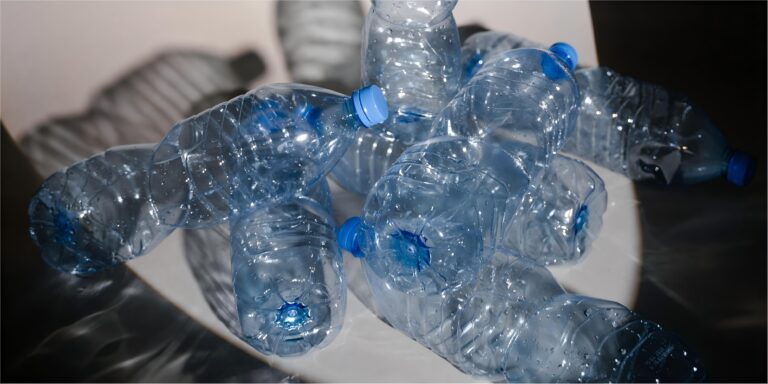
1. Eastman Tritan Renew
Eastman Tritan Renew is a recycled copolyester that uses molecular recycling technology.
The source material reports up to 50% recycled content, ISCC certification, BPA-free characteristics, a temperature resistance range of approximately -20°C to 100°C, and high transparency.
Key characteristics include:
- Up to 50% recycled content
- Molecular recycling technology
- High transparency
- Good temperature resistance
- Resistance to yellowing
- Suitable for precision processing
Typical applications include transparent frames, children’s safety eyewear, and premium sports glasses.

2. Eastman CP Renew
Eastman CP Renew is a recycled version of high-end cellulose propionate using molecular recycling technology.
It is designed to retain the warm appearance and dimensional stability associated with virgin CP while reducing carbon emissions.
The material is suitable for:
- Retro eyewear
- Premium business frames
- Handmade custom frames
- Design-led acetate-style collections
3. Recycled Nylon
Recycled nylon can be produced using recovered materials such as discarded fishing nets and textile waste.
The source reports carbon-emission reductions of approximately 50% to 60%.
Its combination of low weight, toughness, elasticity, sweat resistance, and seawater resistance makes it particularly relevant to performance eyewear.
Common applications include:
- Sports glasses
- Outdoor eyewear
- Children’s impact-resistant frames
- Flexible temples
4. Recycled PCTG
Recycled PCTG is a recycled copolyester designed for transparent and injection-molded eyewear.
Its key characteristics include:
- BPA-free
- Recyclable
- Carbon emissions reduced by more than 50%
- High transparency
- High toughness
- Suitable for two-color injection molding
- Suitable for mass production
It can be used for transparent optical frames, affordable eyewear, and temple accessories.
5. Recycled PC
Recycled polycarbonate can use recovered plastic bottles and old lenses as raw materials.
The source reports potential carbon-emission reductions of approximately 50% to 70%.
Because polycarbonate offers high impact resistance while remaining relatively lightweight, recycled PC can be considered for:
- Children’s safety eyewear
- Sports goggles
- Impact-resistant products
- Lens substrates
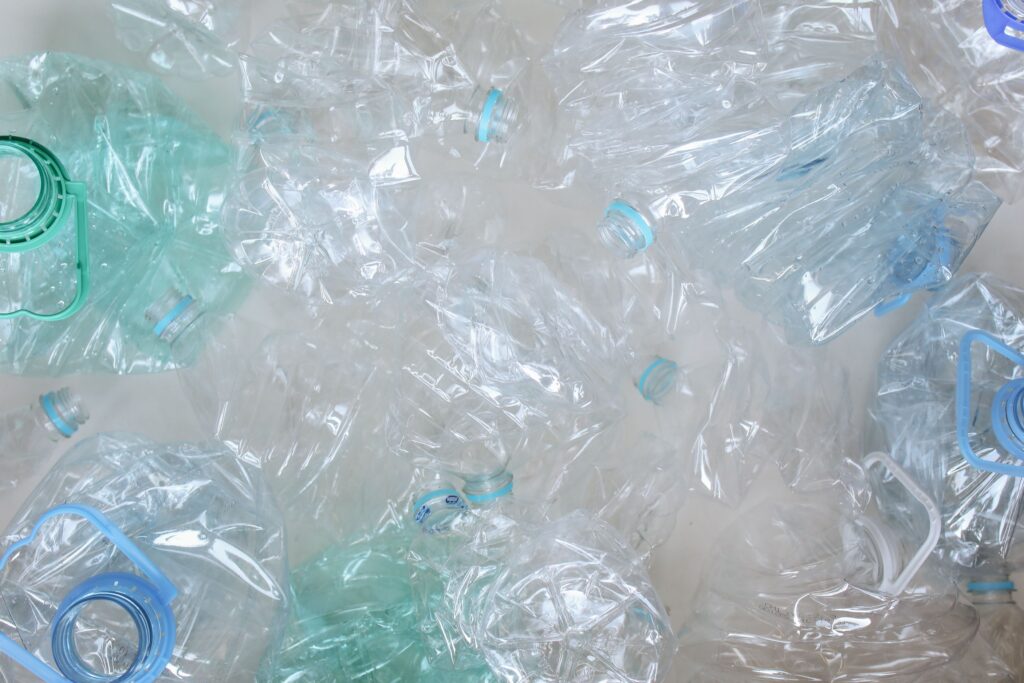
6. Recycled PET
Recycled PET is produced from recovered beverage bottles. The source estimates that approximately 3 to 5 beverage bottles can be used per frame.
Its low material cost and suitability for mass production make it an option for more affordable sustainable eyewear.
Typical applications include:
- Affordable eco-friendly frames
- Fashion sunglasses
- Promotional eyewear
- High-volume products
7. Ocean Recycled Materials
Ocean recycled materials use recovered marine waste and discarded fishing nets as raw materials.
The source reports carbon-emission reductions of more than 70% and highlights their strong toughness and marine-related material story.
They are particularly suitable for:
- Ocean-themed eyewear collections
- Outdoor sports glasses
- Environmental campaigns
- Brand collaborations with a marine sustainability theme
8. Recycled Nickel Silver
Recycled nickel silver is produced from recycled copper-nickel-zinc alloy.
The material is reported to be 100% recyclable, with energy consumption reduced by approximately 70% and carbon emissions reduced by more than 60%.
Its high strength, corrosion resistance, and compatibility with electroplating make it suitable for metal eyewear components.
Applications include:
- Premium metal frames
- Business half-rim frames
- Hinges
- Bridges