
Table of Contents
Titanium has become one of the most requested materials in modern eyewear, especially for brands focusing on lightweight comfort, minimalist aesthetics, and long-term durability.
Compared with traditional metal materials, titanium offers a cleaner appearance, better wearing comfort, and stronger corrosion resistance. These advantages make it especially popular in premium optical collections and modern fashion eyewear.
However, producing high-quality titanium frames is much more complicated than many people expect. Titanium is not a material that every factory can process well. Its manufacturing requires specialized equipment, precise temperature control, and experienced production techniques.
At Looksee, we work with different titanium materials and production methods to help brands develop lightweight, durable, and commercially practical titanium collections.
Why Consumers Prefer Titanium Eyewear?
1. Lightweight Comfort for Daily Wear
One of the biggest advantages of titanium is its weight.
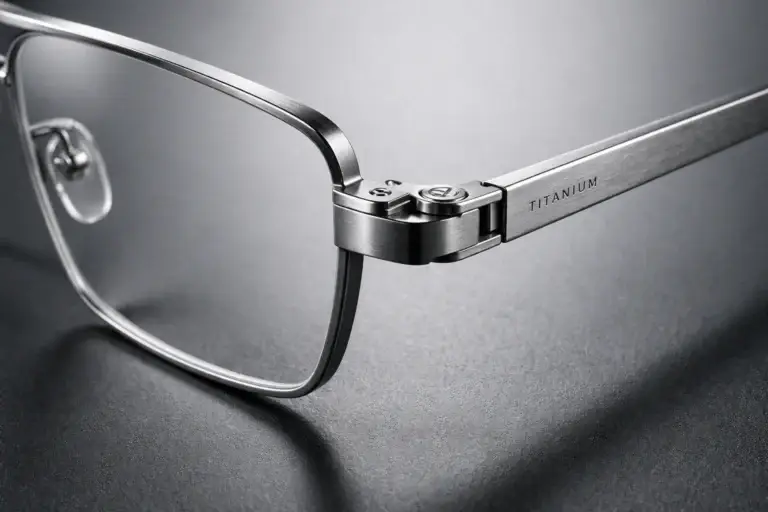
Titanium is significantly lighter than many traditional metal materials, allowing brands to create frames that feel more comfortable during long-term daily wear. For consumers who wear glasses all day, reducing pressure on the nose and ears can make a noticeable difference.
Because titanium is also highly durable, frames can be designed with thinner and cleaner structures without losing strength. This allows brands to develop lightweight, minimalist styles that still feel stable and secure.
Titanium is especially suitable for modern collections that focus on simple design language and understated premium aesthetics.
2. Better Resistance to Sweat and Corrosion
Low-quality metal frames often develop problems after long-term use. Sweat, humidity, and skin oils may cause paint peeling, oxidation, or discoloration around the nose pads and temples.
Titanium performs much better in these conditions because it naturally forms a protective oxide layer on its surface. This layer helps prevent corrosion and improves long-term durability, even in humid climates or hot environments.
For consumers, this means the frames maintain a cleaner appearance and require less maintenance over time.
3.Skin-Friendly Material
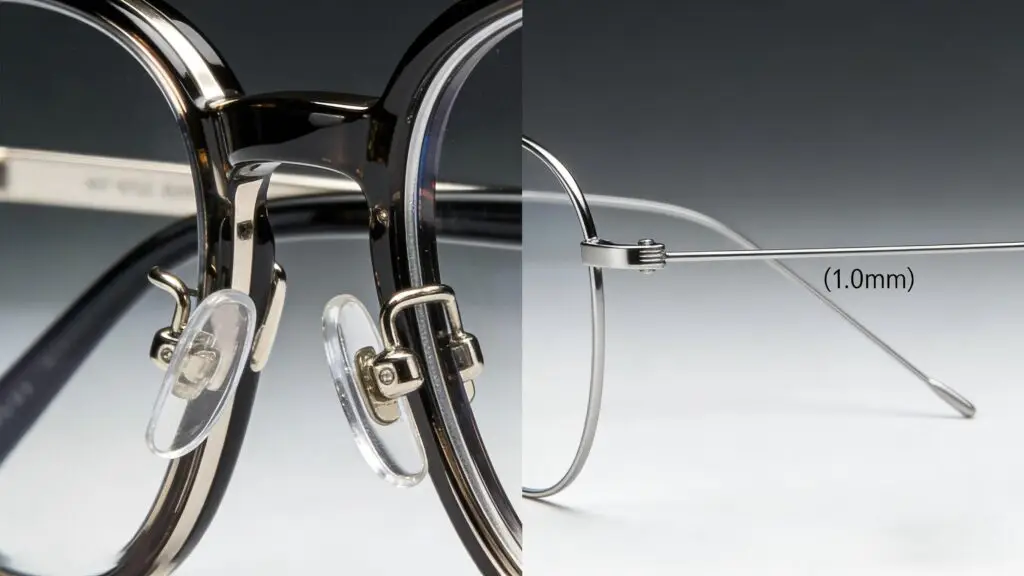
Nickel allergy remains a common issue in metal eyewear.
Many traditional metal frames contain nickel, which may cause skin irritation, itching, or redness for sensitive users.
Titanium is considered a biocompatible material and is widely used in medical applications. For eyewear brands, titanium provides a safer and more comfortable option for consumers with sensitive skin.
Why Good Titanium Eyewear Is Difficult to Produce?
Titanium may offer many advantages, but it is also one of the more difficult materials to process in eyewear manufacturing.
Compared with ordinary metals, titanium requires more controlled production environments, more advanced equipment, and greater manufacturing precision.
This is often where the difference between low-cost suppliers and experienced titanium manufacturers becomes clear.
1. Vacuum Welding for Stronger Structures
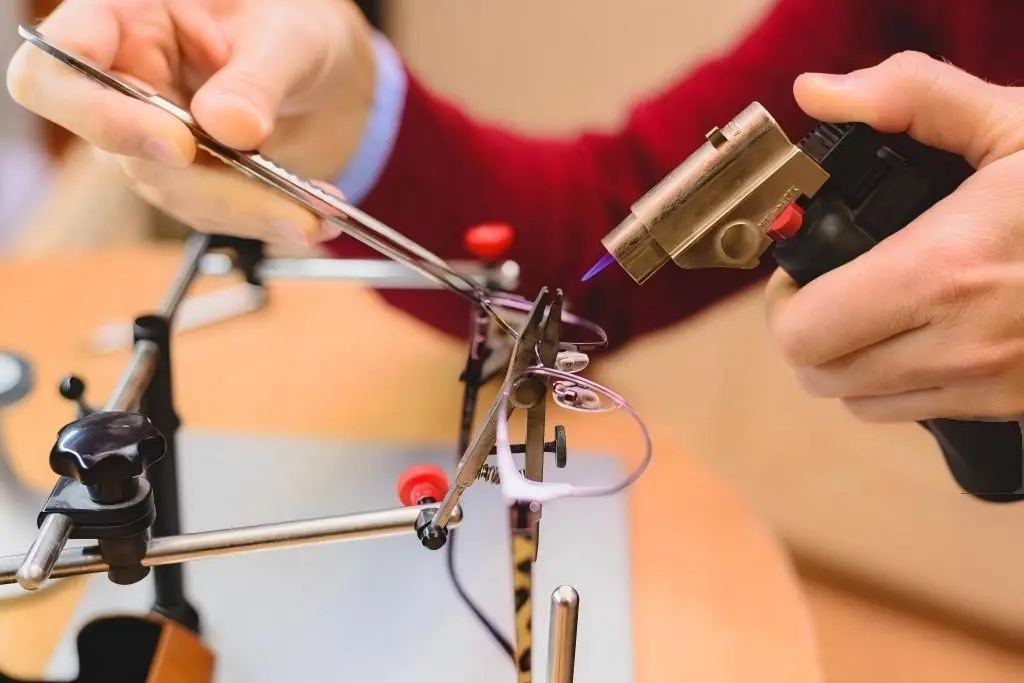
Titanium reacts easily with oxygen during welding.
If oxygen enters the welding area during production, the material may become brittle, increasing the risk of cracks or breakage later during use.
To reduce this risk, we use argon-shielded vacuum welding during production. This controlled environment helps improve welding stability and ensures stronger connections at critical structural points such as hinges and bridges.
Although this process requires more time and higher production costs, it helps improve overall frame durability and long-term reliability.
2. Precision CNC Machining
Titanium is harder to process than ordinary metals, which means standard cutting tools wear out very quickly.
To achieve accurate structures and fine detailing, titanium frames require precision CNC machining together with specialized cutting equipment.
This allows us to produce:
- Thin and lightweight temples
- Precise hinge structures
- Fine logo engravings
- Clean surface finishing
- Consistent frame alignment
Precision machining is especially important for premium titanium collections, where small structural details strongly influence product quality and wearing experience.
3. Long-Lasting Surface Finishing with IP Plating
Surface finishing is another important part of titanium eyewear production.
Some low-cost metal frames use ordinary spray coating, which may fade, chip, or peel after regular use.
For titanium collections, we use Vacuum IP Plating to improve color durability and surface consistency. This process bonds the coating more securely to the frame surface, making it more resistant to sweat, scratches, and daily wear.
IP plating also creates a cleaner and more refined appearance, whether the design requires matte finishes, brushed textures, or polished metallic colors.
Understanding Different Types of Titanium
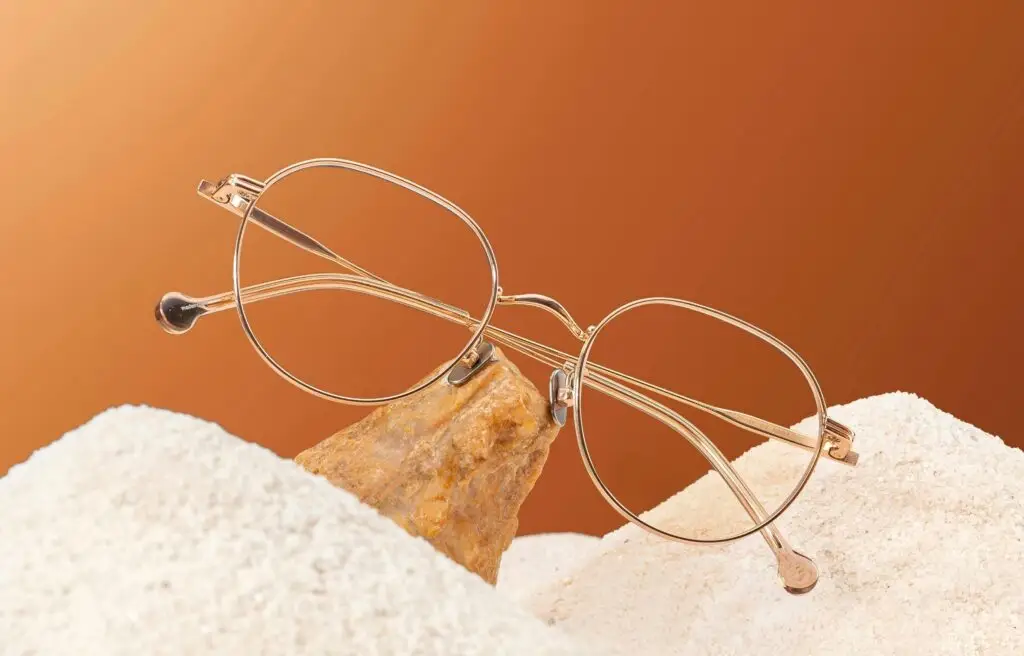
Different titanium materials are suitable for different frame structures and product positioning.
Pure Titanium
Pure titanium is lightweight, corrosion-resistant, and durable.
It is commonly used for classic optical frames where comfort and low weight are the main priorities.
Beta Titanium
Beta titanium offers greater flexibility and elastic recovery compared with pure titanium.
It is often used for lightweight temples and flexible frame structures that require better adaptability during daily wear.
Memory Titanium
Memory titanium has strong shape recovery properties and can return to its original form after bending.
This material is commonly used in flexible structures such as bridges, children’s eyewear, and sports frames.
How We Support Titanium Eyewear Development?
1. Product Development Support
Not every titanium design is easy to manufacture.
Some structures may appear visually attractive but become unstable or difficult to produce during actual development.
Our engineering team works together with brands to evaluate:
- Structural feasibility
- Material selection
- Thickness adjustments
- Hinge positioning
- Wearing balance
This helps improve both product appearance and production reliability.
2. Quality Control During Production
Consistency is especially important in titanium eyewear manufacturing.
Before shipment, we inspect:
- Welding stability
- Hinge durability
- Plating adhesion
- Surface finishing
- Frame alignment
These inspections help reduce quality risks during mass production and improve product consistency across different batches.
3. Flexible Production Capacity
We support both small-batch development projects and larger production programs for global distributors and eyewear brands.
Our production structure allows us to maintain stable quality standards while supporting different order volumes and product categories.
Final Thoughts
Titanium eyewear combines lightweight comfort, durability, and modern aesthetics, making it one of the most important materials in today’s premium optical market.
But producing good titanium frames requires more than simply choosing the right material. It also depends on engineering experience, precise manufacturing processes, and stable quality control.
At Looksee, we work with brands to develop titanium eyewear collections that balance design, comfort, and production reliability.
If you are developing a titanium eyewear collection, our team can help evaluate structure, material options, and production feasibility based on your design direction.